Showing posts with label Kids In Danger. Show all posts
Showing posts with label Kids In Danger. Show all posts
Monday, April 25, 2011
KID has a new Blog!
As we mentioned in the last post, KID has moved our blog to be more integrated into our website -- you can find new posts here. This page will remain up for a while, but set your bookmarks for http://www.kidsindanger.org/blog/.


Friday, April 22, 2011
KID to launch new website!
 Late today, KID is switching over to a new website -- we've listened to what parents, caregivers, advocates and others want to see and made some amazing changes. We think you'll find the new KID website easier to use and navigate and a wealth of information to access while working to keep children safe.
Our blog too is moving to be better integrated into our web presence. But don't worry, all our older posts can still be found there including some of our most popular such as Back-to-School Safety and CPSC, FDA issue warning on sleep positioners.
So, next time you type in KidsInDanger.org, we hope you'll take a look around our new site and give us feedback in the blog comments. Many thanks to our designer Amy Cordell and site builder Seventhfury.
In the meantime, if the transfer hits a few bumps or snags, we'll have it fully operational by Monday. You can email us here if you run into problems.
Wednesday, March 30, 2011
Hiking for Aiden

On April 1, Tami Vanderwilt will set out to hike the Appalachian Trail. Tami is planning this trip in honor of her grandson, Aiden. He was just 6 months old when his life was tragically ended after he suffocated against a bumper pad while sleeping.
After the death of her grandson, Tami started a blog, Tami's Mental Meanderings, devoted to sharing the message of safe sleep to others to protect children and those who love them from suffering the pain her family experienced. It was here that she announced her plan to hike along the Appalachian Trail, from Springer Mount in Georgia to Mount Katandin in Maine.
For Aiden with Love is a foundation started by Vanderwilt in memory of her grandson. She is raising money through the foundation to help fund organizations, including KID and First Candle, whose missions align with her efforts to spread the word about safe sleep. Anyone interested in donating to For Aiden with Love can find more information on Tami's blog or click here for a direct link to the donation page.
While Tami is advocating for safe sleep practices, the hazards of bumper pads and the lack of response from the CPSC is getting public exposure. The Chicago Tribune ran an article yesterday highlighting stories of babies suffocating because of bumper pads. The article also criticizes CPSC for dragging their feet on investigating submitted reports and possibly laying blame elsewhere. See more in our blog post here.
Monday, March 28, 2011
KID chosen for crowdSPRING's next Give Back project

Kids In Danger has been selected as the recipient of crowdSPRING's latest Give Back project!
Based in Chicago, crowdSPRING is a web and graphic design website specializing in giving access to creative talent from all over the world. Their goal is to present businesses with new, more affordable ways to buy creative products.
In 2008, crowdSPRING started a project called Give Back, the online web designers "way of helping worthy non-profit and charity causes in need." A creative (their name of a designer) suggested that crowdSPRING develop a way for other creatives to learn from each other's work. The Give Back project was born from this suggestion.
crowdSPRING has designed for companies such as Starbucks, Livestrong, Forbes and LG, although they cater to smaller businesses.
Calling all designers!! Submit your designs for KID's project on crowdSPRING.com today!
View the official blog post announcing KID as the new Give Back recipient here.
Friday, September 10, 2010
Grandparents Day is Sunday

September 12th is Grandparents Day, giving us all an opportunity to honor these vital family members. Many grandparents are important caregivers in their grandchildren's lives -- either for a few hours, for regular child care or even as guardians. And even more are the purchasers of many products for the new baby and nursery.
One great way to pay tribute to the grandparents in your life would be to make a donation in support of KID's programs. In 2009, KID launched The Debby Sayah Grandparent Outreach Project, named to honor the memory of KID board member Judy Sage’s mother, to help grandparents protect their grandchildren from unsafe children’s products.
Your donation will help sustain this vital program:
- $10 will pay for all materials needed to conduct KID’s workshop, Don’t Learn about Recalls from your Grandchild, with grandparents at a community center
- $20 will pay for monthly email alerts with safety information and semi-annual newsletters to 5 grandparents
- $50 will send KID’s educational brochure, Are your grandkids SAFE?, to 500 grandparents
If you make a gift to KID, we will send a Grandparents Day email greeting for you. It’s just two steps: Visit the Support Kids In Danger cause page on Facebook and use the donation button to make your gift, then send Sarah a message on Facebook or send an email to Sarah@ KidsInDanger.org, with your personal message to your loved ones and the email address of the recipient(s). We’ll take care of the rest! If you want to support this vital program but do not wish to send an email message, just let us know. We will also mail a tribute notification to the recipient of your gift.
Monday, August 30, 2010
ABC Chicago "For Your Family" talks about product registration and recalls with KID
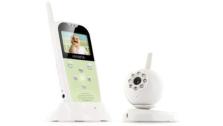
KID's executive director was up early this morning for a segment on ABC Chicago's early news. Judy Hsu, host of "For Your Family" talked with KID about the new product registration program for juvenile products and highlighted several recent recalls. You can see the video here.
A brochure on product registration and a list of manufacturer online registration sites put together by KID and Consumer Federation of America are available online.
Sign up to get notice of each recall at CPSC or a monthly email alert and recall list here from KID.
Monday, August 23, 2010
Toys "R" Us Launches Product Safety Program

Today Toys "R" Us, Inc. announced the launch of their national Product Safety Vigilance Program. This program will encourage consumers to take important steps to become advocates for children's safety. Included in the program is the "Eight Steps to Keep Kids Safe," including a product recall list, (or use KID's here) that parents can use to keep track of gifts and purchases for their children. In the event of a recall, these tools help parents to quickly remove any dangerous products from their home.
The program is working in conjunction with the Toys R Us "Great Trade-In" event which provides saving incentives towards the purchase of new products upon turning in potentially unsafe children's products. If your crib is drop-side design or doesn't meet safe crib guidelines, consider using this opportunity to purchase a new fixed side crib.
The program is working in conjunction with the Toys R Us "Great Trade-In" event which provides saving incentives towards the purchase of new products upon turning in potentially unsafe children's products. If your crib is drop-side design or doesn't meet safe crib guidelines, consider using this opportunity to purchase a new fixed side crib.
In general, less than 30% of affected items are returned when a baby product is recalled, meaning millions of unsafe products could still be in the marketplace.
"It’s crucial that parents have the most current information available about the products in use in their homes, so they can react quickly and appropriately in the event of a recall,” said Nancy A. Cowles, Executive Director, Kids In Danger. “By providing parents with the tools and resources needed to track important product information and heightening awareness of product recalls, the Toys“R”Us Product Safety Vigilance Program, coupled with the ‘Great Trade-In’ event, are valuable assets to parents and caregivers in their efforts to keep children safe.”
Another resource mentioned by Toys"R"US is the new requirement that manufacturers include a product registration card with new nursery products such as cribs, strollers and high chairs. You can learn more about that with KID's and Consumer Federation of America's new brochure on product registration.
While the best way to keep children safe from recalled products is to stop the flow of unsafe products into the marketplace, these steps to make recalls more effective are vital. You can sign up for KID's monthly email alert listing recalls here or get immediate recall notices from CPSC here.
Tuesday, April 27, 2010
What’s the Deal with Drop-side Cribs?
 What is a drop-side crib?
A drop-side crib is a crib in which the side rail moves up and down on tracks to allow easier access to the child. The tracks can be in the end posts or attached to the end post with plastic or metal hardware. A drop-gate crib, where the top several inches of the crib side fold out and down is not a drop-side and not subject to the same problems.
What are the problems?
Drop-side cribs have been involved in dozens of 
As a result, and as the Consumer Product Safety Commission (CPSC) learns of the deaths, millions of drop-side cribs have been recalled. These include Storkcraft (also under the Fisher Price name), Delta, Simplicity (also under the Graco name), Lajobi (under the Bonavita or Babi Italia names), Generation 2, ChilDESIGNS, Dorel Asia and Caramia. But millions more drop-side cribs, some of which have had incidents, are still in the marketplace. Both recalled and non-recalled drop-side cribs are still in wide use in homes and child care facilities.
What is being done about this danger?
In part due to the frightening aspect of millions of unsafe cribs after the first of many Simplicity recalls in 2007, Congress enacted the Consumer Product Safety Improvement Act in 2008. This law, among many vital safety measures, requires that CPSC develop and implement a strong mandatory standard for cribs and other durable infant and toddler products and require third party testing to certify compliance to those standards. Already the voluntary ASTM standard has been changed to require the bottom part of all sides to be firmly fixed to the end posts – a design that disallows drop-sides -- and it is expected that the mandatory standard will also include that ban. Major retailers, including Babies”R”Us, have already stopped selling the design.
What should I do…
…If I’m about to buy a crib?
If you are getting ready to buy a crib, do not buy a drop-side crib. Cribs that are lower to the ground or have a drop-gate can help parents who feel it would be difficult to reach into a fixed side crib. When purchasing any crib, check that it meets the most current safety standards and feels sturdy in the store. Buy a mattress that fits snugly in the crib and tight fitting sheets. If considering a used or hand-me down crib, do not use a drop-side crib and only take a used crib when you know its history, have all the parts and instructions and know it can be assembled correctly. It is better, especially now when new standards are so much stronger than the standards of just a year or two ago, to buy a new crib.
…Already have a drop-side in use
First, check the list at CPSC.gov and make sure your crib hasn’t been recalled – millions have. Check the list carefully – many cribs might be known by a name other than their brand name, or made by one company and sold under another company’s name. If it doubt, get the model name and number and manufacturer name and call CPSC to confirm. If it has been recalled, follow the recall instructions to get a repair kit, replace the crib or receive a refund.
If your crib is not recalled, check all the hardware and plastic parts to make sure it is all tight and there are no broken, cracked or missing pieces. The crib should feel sturdy when you shake it and you should not be able to lower the drop-side by any means other than the manufacturer’s instructed method. If your crib shows any breakage or you can move the drop-side without following the correct method, STOP using the crib. Call the company to see if replacement parts are available and do not use the crib until new parts are correctly installed. If the crib doesn’t have replacement parts, stop using it and call both the company and CPSC to report the breakage. Never attempt to fix the crib yourself without the correct hardware and instructions from the manufacturer.
If your crib has no broken, cracked or missing parts and feels sturdy, continue to use it until the child can transition to a bed, but stop using the drop-side mechanism and check frequently – at least once a week -- for loose, broken, cracked or missing hardware or parts. However, do not use the crib for a subsequent child or hand it down since assembly and disassembly of a drop-side crib can increase the risk of failure. It may be worth the peace of mind to purchase a new crib.
My crib is recalled or unsafe – what do I do with my child?
This is the hardest thing about recalled or unsafe cribs. While with toys or other products we can recommend taking it away and waiting for the replacement; with cribs, you need a safe place for your baby to sleep – tonight! So, what are your options? First, if your baby is still young enough that he or she can’t roll over or push up on hands and knees, you can use a bassinet you might have been using earlier. Another option is a portable crib or play yard that you use while traveling – first making sure it hasn’t been recalled. Never put a baby to sleep on a couch, chair, adult bed or other surface that might be too soft or have cushions or other features that can smother or entrap a baby. If your baby is older, perhaps almost ready to transition to a youth bed or regular bed, you might try a mattress on the floor to avoid falls. The only option might be to purchase a new crib or portable crib. If a new safe crib is a financial hardship, consider contacting Keeping Babies Safe or First Candle to see if you qualify for their crib programs.Learn more at www.KidsInDanger.org
Tuesday, March 30, 2010
How many incidents does it take to get dangerous products recalled?

There were a disturbing number of incidents in the children's products recalled in 2009, prior to recalls being announced. In fact, the number of reported incidents prior to recall more than doubled in comparison to 2008. In 2009, a total 4, 616 incidents were reported prior to the recall of 143 children’s products. The Adventure Playsets had 1,400 incidents reported prior to recall and Simplicity Inc. Rainforest Play Yards had 1,350 incidents prior to recall.
In addition, injuries from recalled children's products totaled 198 before these hazardous products were recalled. Seventeen percent of children’s product recalled involved injuries prior to the recall. Thirty-five percent of recalled nursery products injuries reported before they were removed from the market. Furthermore, Evenflo (for the 3rd year in a row) cause the most injuries prior to recall- the Envision high chair was responsible for 54 injuries.
Lastly, there were nine deaths in recalled children’s products in 2009. Seven out of the nine deaths occurred in sleep environment products including drop side cribs and motions beds. For more information on 2009 product recalls please check out our recent report The Year of the Nursery Product Recall as well as www.cpsc.gov
Monday, March 29, 2010
2009: the year of the nursery product recall
This morning, Kids In Danger released The Year of the Nursery Product Recall: a look at children's product recalls in 2009. The report found that for the first time, nursery products -- cribs, strollers, high chairs -- accounted for the largest number of children's product recalls. Why?
First, under new leadership, CPSC is taking a harder line against defects in nursery products such as drop-side cribs. Chairman Inez Tenenbaum has pledged to recall defective cribs and pass a mandatory standard this year that bans that troubled design. With an early warning system on sleep products, CPSC recalled twenty sleep products including cribs, hammocks and play yard/bassinet systems.
The more troubling reason for the increase in nursery product recalls may be that the current voluntary industry standards are not doing enough to keep children safe. Nearly all the nursery products that were recalled, and all of them that caused deaths, were certified by the Juvenile Products Manufacturers Association (JPMA) as having passed strenuous testing. In addition to the cribs, the recalls highlight design flaws in strollers, high chairs and play yards which were not caught by the voluntary testing. At the press conference, Illinois Attorney General Lisa Madigan shared a letter she has sent to JPMA asking them to immediately remove their seal from any drop-side cribs and encourage their members to offer an incentive to consumers (such as 50% 0ff) to purchase new stationary side cribs. In addition, the Illinois Retail Merchants Association has asked their members to stop the sale of drop-side cribs. Many retailers have already done so.
So the mandatory standards for nursery products required by the Consumer Product Safety Improvement Act (CPSIA) can't come fast enough. Congresswoman Jan Schakowsky spoke of first introducing a bill with that requirement in 2001. Now, with a timeline of 2 standards every six months, CPSC has already released the walker and bath seat standards and published the advanced notice of rulemaking for bassinets and toddler beds. Standards for cribs and non-full size cribs are promised for later this year.
In addition, the recalls point to the need for the public database, also required by CPSIA, to alert both CPSC and consumers to injury trends and unsafe products.
So what can parents do? First, check out the report of 2009 recalls as well as the CPSC list of recalled products to make sure you aren't using any. Second, report any problems with nursery products or any other children's product to the manufacturer and CPSC. Check out KID's safe sleep flyer, Product Hazard pages and Advocacy pages for more information.
First, under new leadership, CPSC is taking a harder line against defects in nursery products such as drop-side cribs. Chairman Inez Tenenbaum has pledged to recall defective cribs and pass a mandatory standard this year that bans that troubled design. With an early warning system on sleep products, CPSC recalled twenty sleep products including cribs, hammocks and play yard/bassinet systems.
The more troubling reason for the increase in nursery product recalls may be that the current voluntary industry standards are not doing enough to keep children safe. Nearly all the nursery products that were recalled, and all of them that caused deaths, were certified by the Juvenile Products Manufacturers Association (JPMA) as having passed strenuous
 testing. In addition to the cribs, the recalls highlight design flaws in strollers, high chairs and play yards which were not caught by the voluntary testing. At the press conference, Illinois Attorney General Lisa Madigan shared a letter she has sent to JPMA asking them to immediately remove their seal from any drop-side cribs and encourage their members to offer an incentive to consumers (such as 50% 0ff) to purchase new stationary side cribs. In addition, the Illinois Retail Merchants Association has asked their members to stop the sale of drop-side cribs. Many retailers have already done so.
So the mandatory standards for nursery products required by the Consumer Product Safety Improvement Act (CPSIA) can't come fast enough. Congresswoman Jan Schakowsky spoke of first introducing a bill with that requirement in 2001. Now, with a timeline of 2 standards every six months, CPSC has already released the walker and bath seat standards and published the advanced notice of rulemaking for bassinets and toddler beds. Standards for cribs and non-full size cribs are promised for later this year.
In addition, the recalls point to the need for the public database, also required by CPSIA, to alert both CPSC and consumers to injury trends and unsafe products.
So what can parents do? First, check out the report of 2009 recalls as well as the CPSC list of recalled products to make sure you aren't using any. Second, report any problems with nursery products or any other children's product to the manufacturer and CPSC. Check out KID's safe sleep flyer, Product Hazard pages and Advocacy pages for more information.
Thursday, December 31, 2009
Danny would be 13 today

Today is the birthday of my nephew, Leo. His mother, my cousin Amy, died in 2007 after a short but intense fight with cancer. I see Leo turning 13 and know how proud his mom would be of what an amazing young man he has become -- and how profoundly sad it is that she isn't here to see it.
But Leo also reminds me of another boy who would be turning thirteen today. Leo shares the birthday of Danny Keysar, whose parents founded KID in 1998 after he was killed in a dangerous portable crib. As I watch Leo grow, I see the shadow of what Danny might be doing and what an amazing young man he would become -- and again, how profoundly sad that he isn't here.

Danny didn't die of a disease with no cure, but of a flawed children's product safety system that allowed a dangerous crib to be sold and then remain in use even after other babies had died.
All of KID's work is to honor the memory of Danny and other victims of unsafe children's products. He is always in our thoughts as are Ellie and Andy, Ethan and Riley, Liam and Kennedy, and too many others. We are proud of the legacy we are building in their memory that will keep other babies safe.
We have seen tremendous change over the past several years in the area of children's product safety. With new laws, some carrying Danny's name, and a new active administration at CPSC, children are already safer today -- but more must be done. Join with us to honor not only Danny, but the children in your life with a safer tomorrow.
- Make a donation to KID in a child's name. We promise to put it to good use fulfilling our mission to promote safer products, advocate for children and educate the public about dangerous children's products.
- Check the children's products in your home for recalls and urge others -- grandparents, caregivers, neighbors and family -- to do the same. There were seven million cribs recalled in the last two years..Make sure your child isn't sleeping in one of them. Sign up for email alerts from CPSC and KID.
- Tell your elected officials, local, state and federal -- that children's safety should be a priority
- Read the stories in our Family Voices site. Many of these families paid the ultimate price of unsafe products.
- If you have a product that appears to be unsafe, report it to the Consumer Product Safety Commission. This is sometimes the only way unsafe products are removed from the marketplace.
Nancy Cowles, executive director
Friday, September 11, 2009
Celebrate national Grandparents Day on Sept 13
 Make safety a part of your Grandparents Day celebrations! Grandparents and older relatives serve as teachers, caregivers, and pillars of the family. They are a rich source of wisdom and heritage. It is crucial that these important family members have up-to-date information on child product safety.
This year's Grandparents Day marks the launch of The Debby Sayah Grandparent Outreach Project, an educational campaign to give grandparents the tools and information to keep grandchildren safe from dangerous, recalled products. The program is named for Debby Sayah, mother of KID board member Judy Sage. Her grandson, Andy, suffocated on a foam sleep positioner in 2002.
Check out the safety suggestions in our Grandparents Day email and forward it to others. More materials and opportunities will become available in the near future. Contact Sarah with comments, ideas, and feedback on the program, or if you would like to receive updates on new activities and resources.
Tuesday, August 25, 2009
Take your old nursery products to Toys"R"Us for a 20% coupon

Toys"R"Us, Inc. has announced a national program allowing customers to trade-in used baby products in exchange for savings on a new item. During the company's "Great Trade-In" event, running August 28 through September 20, all Babies"R"Us and Toys"R"Us locations will accept used cribs, car seats, bassinets, strollers, travel systems, play yards, and high chairs in exchange for a 20% savings on the purchase of any new baby item from select manufacturers. The event is intended to raise awareness about the potential safety hazards associated with used baby products and to provide an opportunity to take such items out of circulation.
KID warns that less than 30% of affected items are returned when a product is recalled, and nursery product recalls have been on the rise all year. Beyond recalls, older and used products entail special problems from wear and tear and noncompliance with current safety standards. For more information, see KID's fliers on second-hand products, safe donations, and yard sale safety. Product resellers should read CPSC’s handbook for details on safe, lawful resale.
This move by Toys"R"Us is one way to help reduce the number of unsafe products in use. The New York State Consumer Protection Board also supports the effort.
Thursday, April 23, 2009
CPSC holds roundtable on crib safety
The roundtable was attended by consumer advocates, safety groups, manufacturers, retailers, government regulators from the US, Europe and Canada and testing labs. CPSC staff presented useful information about the incidents, injuries and deaths they see involving cribs and other sleep environments as well as a comparison of standards and a glimpse at their Early Warning System for reviewing sleep environment incidents. All their presentations as well as those from KID and the other presentors can be found on CPSC's website. The afternoon allowed time for an exchange of ideas from the audience on ways to improve crib safety.
Tuesday, April 21, 2009
KID releases new report on 08 recalls, recall effectiveness
Today, Kids In Danger released Toxic Toys and Faulty Cribs, an examination of children's product recalls in 2008, recall effectiveness at CPSC and the implications for child safety. KID was joined by US Congresswoman Jan Schakowsky, Illinois Attorney General Lisa Madigan, and representatives of Illinois PIRG and Lead Safe Illinois. here is the release:
2007 might have been the Year of the Recall, leading to landmark children’s product safety legislation in Congress, but the recalls continued through 2008, including a record number of crib recalls.
The report found that children’s product recalls by the U.S. Consumer Product Safety Commission (CPSC) remained high in 2008, following 2007’s record numbers. There were 190 recalls accounting for more than 18 million items, including twelve recalls of cribs responsible for five deaths.
“These products together caused at least 210 injuries and 7 deaths,” stated Nancy Cowles, executive director of Kids In Danger. “And those incidents include only those already reported at the time of the recall. More needs to be done to protect children from these hazards.
Additional findings of the report include:
· Toys were the largest category of recalled children’s products – 41%
· Despite the scrutiny on lead in 2007, 36% of the recalls were for lead paint hazards.
· There were five recalls of over one million products with over 18 million units recalled in total.
· Two-thirds of the recalled products were made in China, 4% were made here in the United States.
· Evenflo had the most injuries prior to a recall – 94 in their Majestic High Chair.
· A record number, 12, cribs were recalled, involving eight injuries and five deaths.
· While CPSC requires monthly updates on Corrective Action Plans, research showed that many companies simply don’t file the report or don’t fill in the requested information. For those that do, the numbers show that most recalled products remain in the hands of consumers.
KID recommends that CPSC immediately begin to plan and implement a public database with product and injury data. In addition, CPSC should require more of companies when a product is recalled to ensure dangerous products are removed from use or repaired. “Congress should request annual reports on recall effectiveness,” stated Cowles. “Perhaps the light of day will encourage companies to take those extra steps to get their defective products out of homes and child care facilities.”
“We are obligated to protect our children from the dangers of the world when the solutions are as obvious as they are with toxic toys,” said Rep. Jan Schakowsky. “By increasing oversight and enforcing accountability on manufacturers we will provide parents with greater peace of mind and children with toys they can enjoy.”
“I have launched many investigations to identify and remove dangerous products from store shelves in
KID recommends that parents check the products used with their children at www.cpsc.gov and sign up for safety updates at www.KidsinDanger.org. In addition, parents should report problems with a product both to the manufacturer and CPSC and urge Congress to continue its oversight of the agency.
“Parents should not have to be scientists in the toy store in order to make sure they are buying safe products for their children,” said Emily Miller, Health Care Advocate with Illinois PIRG. “Toys should be safe, period. Kids, who are our littlest consumers, deserve high safety standards that protect them from death and other serious health hazards.”
“Lead in toys is one of the causes of children being harmed by lead,” concluded Anita Weinberg of Lead Safe Illinois. “At the same time, lead poisoning is one of the few causes of social and learning problems we know how to solve - it's preventable. Kids in Danger's report on "Toxic Toys and Faulty Cribs" goes a long way to helping raise awareness about preventable risks to children.”
More information about Kids In Danger and dangerous juvenile products is available at (312) 595-0649 or www.KidsInDanger.org.
Subscribe to:
Posts (Atom)
Subscribe To


 Posts
All Comments


